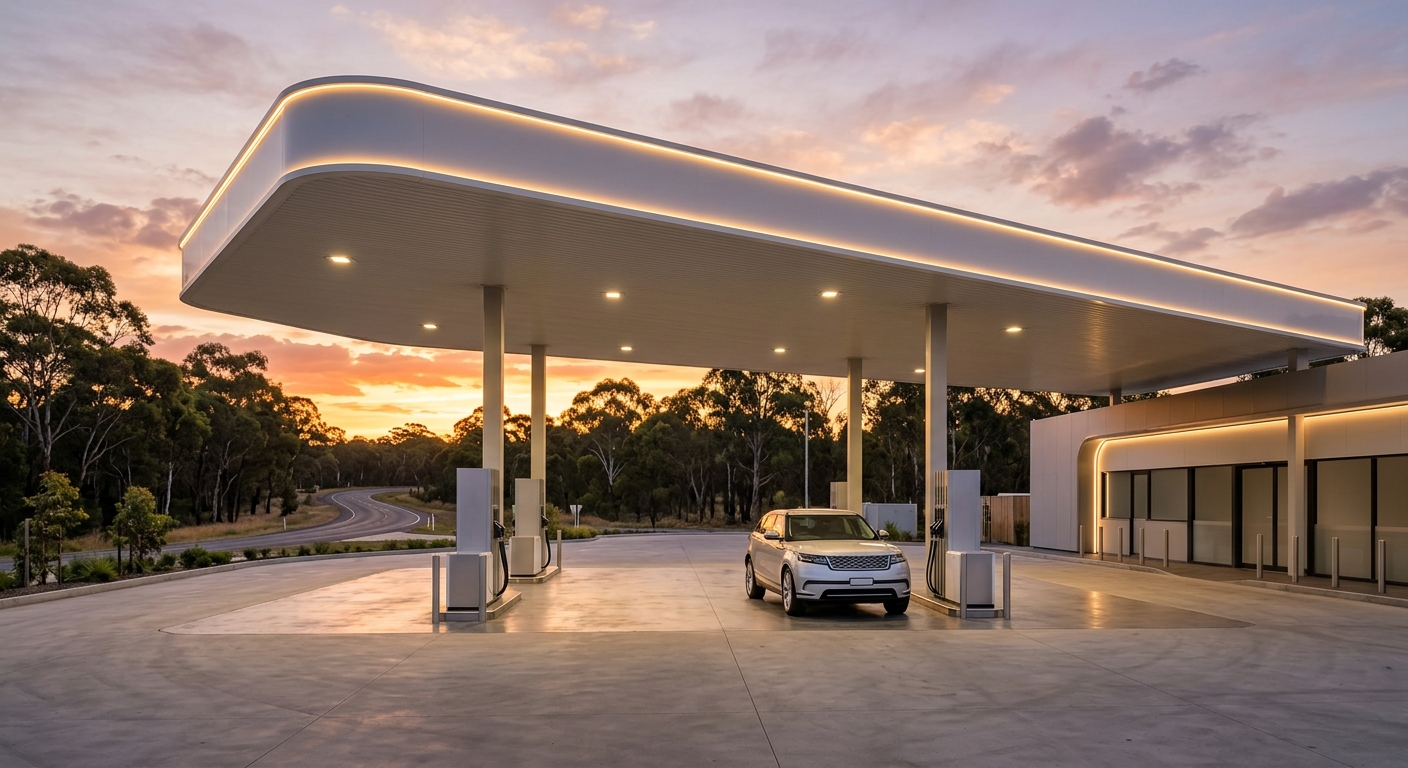
Weekly Fuel Report - Thursday 4 June 2026
FuelRadar Australia Market Analysis3 June 20265 min read

Octane Ratings Explained: Save Money on Fuel in Australia. - Read the latest fuel market insights on FuelRadar Australia.
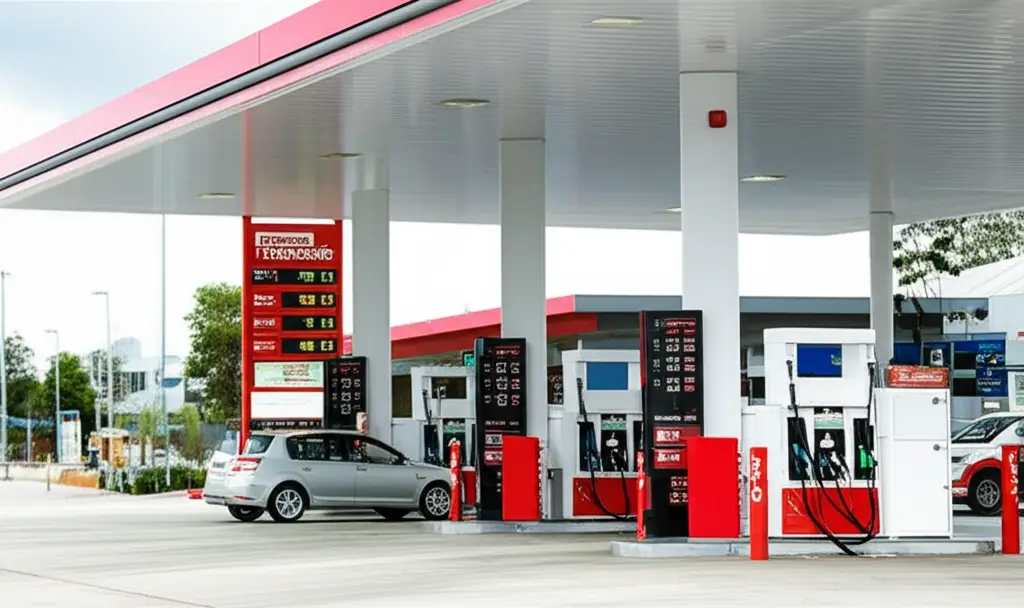
Are you paying more at the pump than you need to? Understanding octane ratings is crucial for Australian motorists looking to optimise their fuel consumption and save money. Many drivers simply opt for the most expensive petrol, assuming it's the best for their car. However, this isn't always the case. This guide will demystify octane ratings and help you make informed choices at the petrol station.
The octane rating of petrol is a measure of its ability to resist "knocking" or "pinging" during combustion. Knocking occurs when the fuel-air mixture in your engine ignites prematurely, leading to inefficient combustion and potential engine damage. Higher octane fuels are more resistant to knocking.
In Australia, petrol stations typically offer fuels with octane ratings of 91 (Regular Unleaded), 95 (Premium Unleaded), and 98 (Premium Unleaded). These numbers represent the Research Octane Number (RON), a standard measure used internationally.
The most important factor in choosing the right octane rating is your vehicle manufacturer's recommendation. This information can usually be found in your owner's manual, on the fuel filler flap, or sometimes on a sticker inside the driver's side door. Adhering to these recommendations is crucial for optimal engine performance and longevity.
If your car is designed for 91 RON petrol, using 95 or 98 RON will not provide any noticeable performance benefits. You'll simply be paying more for fuel without gaining anything in return. Conversely, using 91 RON petrol in a car that requires 95 or 98 RON can lead to engine knocking and potential damage over time.
High-performance vehicles, especially those with turbocharged or high-compression engines, often require higher octane petrol (95 or 98 RON) to prevent knocking and maintain optimal performance. These engines are designed to take advantage of the higher octane's resistance to pre-ignition.
Some older vehicles, particularly those manufactured before the introduction of unleaded petrol, may also benefit from higher octane fuels. However, it's always best to consult your owner's manual or a qualified mechanic to determine the most suitable fuel for your specific vehicle.
Certain driving conditions can increase the risk of engine knocking, even in vehicles that typically run on 91 RON petrol. These conditions include:
In these situations, some drivers may choose to use a higher octane fuel temporarily to mitigate the risk of knocking. However, this should not be a long-term solution if your vehicle is designed for 91 RON petrol.
While octane rating is a key factor, the quality of the petrol itself is also important. Reputable petrol stations use additives to improve fuel efficiency, clean engine components, and protect against corrosion. These additives can vary between different brands and fuel types.
Consider fuelling up at well-known and trusted petrol stations to ensure you're getting high-quality petrol with the appropriate additives for your vehicle.
Choosing the right octane rating for your vehicle is just one way to save money on fuel. Keeping an eye on petrol prices in your area is also essential. The price of petrol can fluctuate significantly depending on location, time of day, and other factors.
That's where FuelRadar comes in. FuelRadar provides real-time fuel prices across Australia, helping you find the cheapest petrol near you. With FuelRadar, you can quickly compare prices at different petrol stations and identify the best deals. This allows you to optimise your fuelling habits and save money every time you fill up.
The FuelRadar map is available at https://fuelradar.com.au/map, allowing you to visualise fuel prices in your area. You can also download the FuelRadar app for iOS and Android devices to access real-time fuel prices on the go.
By using tools that provide petrol price visibility, motorists can quickly identify trends, and take advantage of price drops in their local area. There are many apps and websites available to motorists that provide this functionality.
Stop overpaying for petrol! Download the FuelRadar app today and start saving money on every fill-up. FuelRadar is available on both iOS and Android. Visit https://fuelradar.com.au/download-the-fuelradar-app to download the app now and start optimising your fuelling habits. Drive smarter, not harder, with FuelRadar!
Keep Reading
More guides and explainers related to this topic.
Search nearby stations, set price alerts and track your fill-up history — all from your phone, before you leave home.